
ISBN 978-83-7676-386-6 (Polish Academy of Arts and Sciences, 2025). ISBN 978-83-7126-466-5 (Silesian Institute); ISBN 978-83-972936-8-7 (Wojciech Kętrzyński Northern Institute); ISBN 978-83-973067-4-5 (Ludwik and Aleksander Birkenmajer Institute of the History of Science, Polish Academy of Sciences), 339 pp.
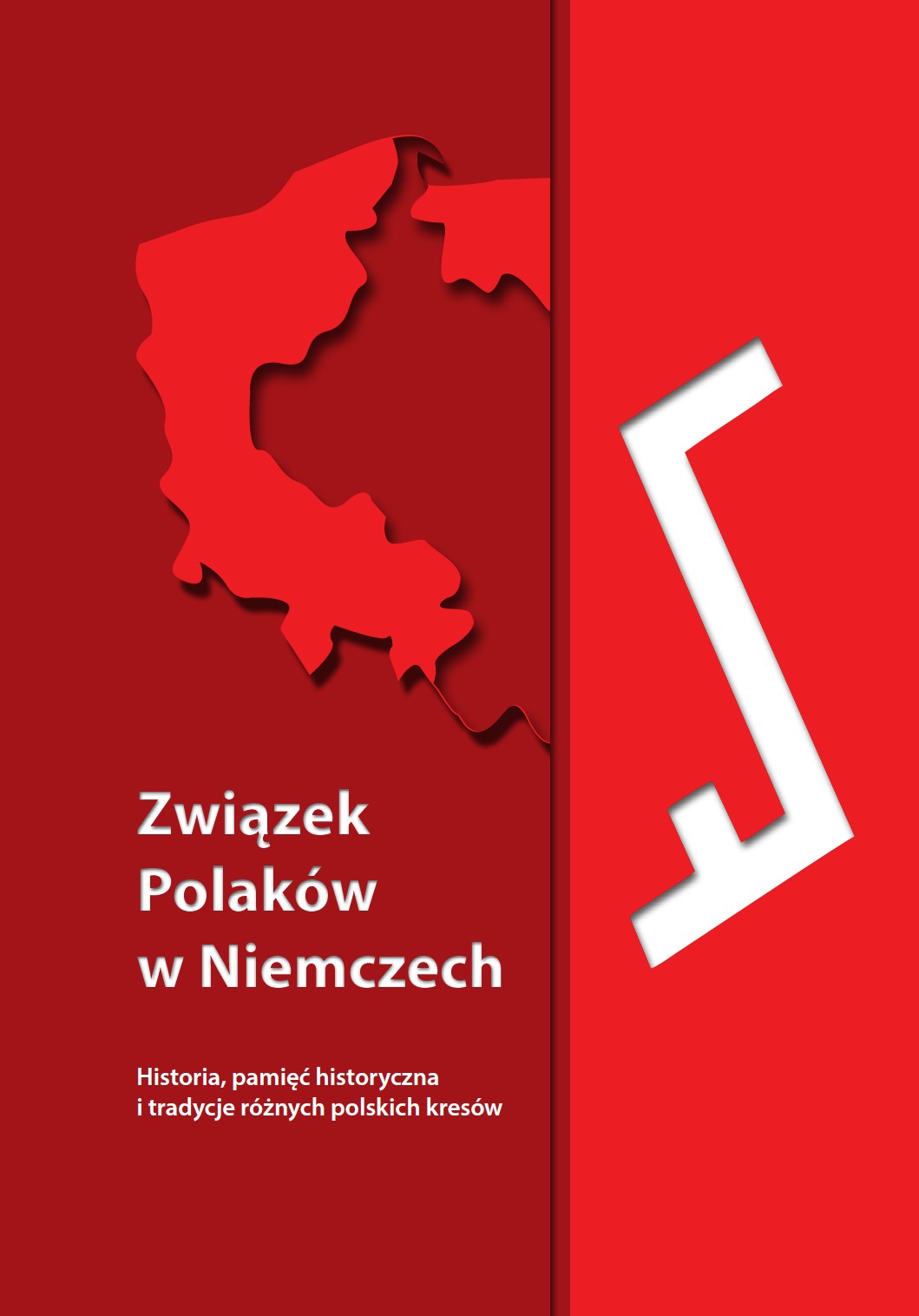
 Available online
From the Introduction to the book:
This volume takes the form of a peer-reviewed, collective monograph edited by a scholar. It consists of an “Introduction,” eleven articles (chapters), a conclusion entitled “Postscript,” five indexes: names, institutions, periodicals, toponyms, and conferences, congresses, seminars, symposia, and conventions, as well as “Authors’ Biographical and Reminiscing Notes.
The articles are an extension of the papers presented during the online scientific conference “100th Anniversary of the Association of Poles in Germany” (Krakow, Polish Academy of Arts and Sciences), organized on November 23, 2022 by the Polish Academy of Arts and Sciences, the PAU Station in Gdańsk, the Commission on the History of Science of the PAU and the Science-of-Science Unit of the Institute of the History of Science of the Polish Academy of Sciences.
The authors of these texts are eminent experts on the subject of ZPwN (ordered by date of birth):
- Retired Prof. Janusz Małłek, PhD, DSc (Toruń) – born 1937; family ties to Powiśle and Masuria; historian; researcher of the history of Prussia and Scandinavia; active member of the Polish Academy of Arts and Sciences;
- Retired Jan Chłosta, PhD (Olsztyn) – born 1938; Warmia-Masurian; historian; researcher of the history of Warmia; vice-president of the Wojciech Kętrzyński Scientific Society;
- Retired Jowita Kęcińska-Kaczmarek, PhD, DSc (Wielki Buczek) – born 1946; Honorary Citizen of Złotów; for years associated with the Pomeranian Academy in Słupsk (university professor); linguist and ethnographer of Krajna; philanthropist; for many years she has led the “Krajniacy” folklore group in Wielki Buczek; promoter of pre-war ZPwN traditions in the Złotów region;
- Retired Prof. Józef Borzyszkowski, PhD, DSc (Gdańsk) – born 1946; Kashubian; historian; researcher of Kashubian history and the Association of Polish-Lithuanian Commonwealths; affiliated with the University of Gdańsk; corresponding member of the Polish Academy of Arts and Sciences;
- Retired Prof. Stanisław Achremczyk, PhD, DSc (Olsztyn) – born 1951; Kresowiak; historian; researcher of the history of Warmia; president of the Wojciech Kętrzyński Scientific Society in Olsztyn;
- Prof. Andrzej Sakson, PhD, DSc (Poznań) – born 1952; sociologist; researcher of social changes in the Western and Northern Territories, Polish-German relations, national and ethnic minorities, and migration; director of the Institute for Western Affairs in Poznań from 2004 to 2011;
- Prof. Marek Masnyk, PhD, DSc (Opole) – born 1956; historian; Researcher of the history of Silesia, Polish Western thought, and Polish-German relations in the 19th and 20th centuries, biographer of the Association of Poles in Germany; Rector of the University of Opole from 2016 to 2024;
- Prof. Michał Kokowski, PhD, DSc (Kraków, Warsaw) – born 1961; engineer of fundamental technical problems; physicist; historian and philosopher of science; chairman of the Commission on the History of Science of the Polish Academy of Arts and Sciences; corresponding member of the International Academy of the History of Science; conference organizer and scientific editor of monographs, with family ties to Krajna and Warmia and the tradition of the Association of Poles in Germany;
- Bernard Linek, PhD (Opole) – born 1965; historian at the Silesian Institute in Opole; researcher of the history of Silesia;
- Prof. Cezary Obracht-Prondzyński, PhD, DSc (Bytów, Gdańsk) – born 1966; family ties to the Kashubian borderland; sociologist, historian, and anthropologist; researcher of the history of Kashubia and Pomerania; corresponding member of the PAU.
The articles have a dual nature. On the one hand, they are microhistorical works, presenting unknown or little-known indigenous figures associated with the ZPwN, active in various localities (towns and villages) in the Prussian Partition – this is the micro-scale of Polish society in the Prussian Partition. On the other hand, these are works devoted to analyzing the ideological layer of the ZPwN and the reception of these ideas by Polish society to the present day – this is the macro-scale of considerations. Both perspectives illustrate the creation of Polish society from the culturally diverse traditions of various Polish districts, in accordance with the motto “We are all Poles,” regardless of which district we come from or what dialect we speak.